
No products in the cart.
Introduction to Modern Art
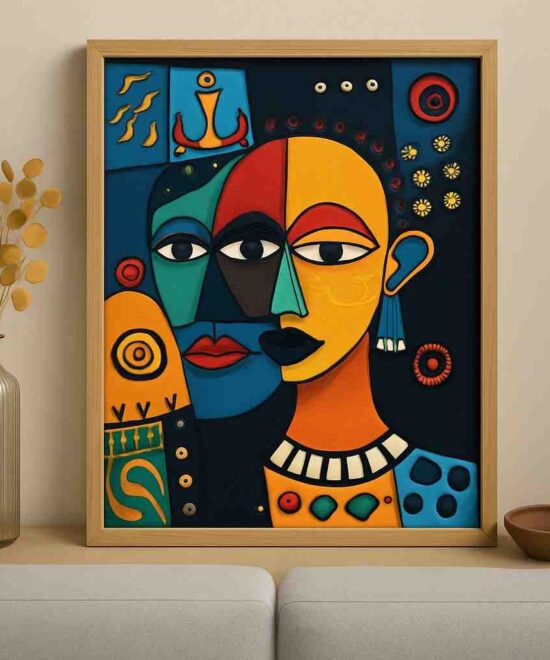
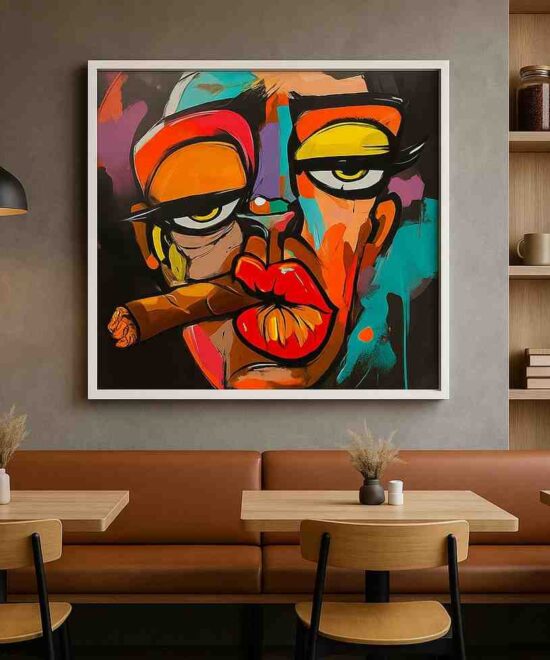
Modern Art is all about revolutionizing ways of artistic thinking, expression, and creation. Emerging in the late 19th and early 20th centuries, modern art paintings detached themselves from strict traditional forms and techniques to explore imagination, emotion, and abstraction. Artists no longer painted solely to represent the world as it appeared — they painted to express how it felt.
From Impressionism to Abstract Expressionism, the modern art movement epitomizes freedom, rebellion, and innovation. It continues to influence contemporary art and affects how we view beauty, emotion, and reality.
The Birth of Modern Art
Modern art arguably had its genesis in Europe in the late 1800s. Movements such as Impressionism, Cubism, and Fauvism set the stage for a whole new era of artistic expression.
Artists like Claude Monet, Pablo Picasso, and Henri Matisse pioneered the breaking down of traditional conventions of perspective, composition, and subject matter. Their modernist paintings celebrated personal interpretation over realistic representation, capturing the imagination of successive generations of artists across the world.
Key Characteristics of Modern Art
Modern art is defined more by its spirit than by a single style. Common characteristics include:
Abstract Representation
Artists represent ideas, emotions, or concepts rather than precise likenesses.
Bold Use of Color
Vivid and unconventional palettes used to stir emotion.
Freedom of Expression
Emphasis on individuality and personal vision.
Experimental Techniques
Mixed media, unconventional materials, and new textures.
Emphasis on Concept
Meaning and interpretation often take precedence over pure aesthetics.
These attributes make modern art paintings powerful tools for communication and self-expression.
The Evolution of Modern Art Movements
1. Impressionism
Impressionism heralded a new freedom in art. Artists such as Monet, Renoir, and Degas captured fleeting moments of light and color with loose brushwork. Their works reflected the beauty and spontaneity of life and helped establish the foundation of modern art.
2. Expressionism
Expressionism prioritized emotion over realism. Artists like Edvard Munch and Egon Schiele portrayed psychological depth by distorting forms and employing vivid, often jarring colors.
3. Cubism
Pablo Picasso and Georges Braque pioneered Cubism, fragmenting objects into geometric forms and multiple viewpoints. Cubism influenced later movements such as Futurism and Constructivism.
4. Surrealism
Surrealists like Salvador Dalí and René Magritte explored dreams, the subconscious, and the bizarre — producing paintings that challenged logic and everyday experience.
5. Abstract Expressionism
In post-war America, artists such as Jackson Pollock and Mark Rothko produced large, emotive canvases that emphasized spontaneity, gesture, and spiritual resonance. Their abstract works embodied liberation and raw emotion.
Modern Art vs. Contemporary Art
Although sometimes used interchangeably, modern and contemporary art refer to different periods:
- Modern Art: Created roughly between the 1860s and the 1970s; focused on experimentation with new artistic principles.
- Contemporary Art: Art created from the 1970s to the present day; often engages with technology, social issues, and global culture.
Modern art provided the platform on which contemporary art has built and continued to expand.
Famous Modern Artists and Their Influence
- Pablo Picasso — Innovator who helped redefine form and perspective through Cubism.
- Vincent van Gogh — His emotive brushwork and vivid palettes made painting intensely personal and expressive.
- Claude Monet — A key figure in Impressionism, celebrated for his studies of light and reflection.
- Frida Kahlo — Deeply personal, often surreal works that challenged social norms while embracing identity.
- Jackson Pollock — His drip technique revolutionized ideas about gesture and movement in abstract painting.
Modern Art in Today’s World
Modern art principles continue to inspire contemporary practice. From digital installations to minimalist canvases, artists still use modernist tools to explore identity, climate change, and social justice. Museums, galleries, and online exhibitions keep the legacy alive while making modern paintings more accessible to collectors and enthusiasts.
How to Appreciate Modern Art
Appreciating modern art is often about interpretation and emotional response. Try these approaches:
- Pay attention to color, shape, texture, and composition.
- Consider the historical and cultural context of the work.
- Reflect on your emotional reaction — there is no single correct interpretation.
- Visit museums or virtual galleries to encounter a broad range of styles and approaches.
Collecting Modern Art Paintings
Collecting is both an aesthetic pursuit and an investment. When buying modern art:
- Research the artist and body of work.
- Verify authenticity and provenance.
- Choose works that resonate with you emotionally and suit your space.
The Role of Modern Art in Society
Modern art challenges conventions and provokes thought. It pushes viewers to question norms, emotions, and beliefs. Far from mere decoration, modern paintings can spark dialogue, awareness, and imagination.
Conclusion
Modern art is less a single style than a movement that expanded the possibilities of creativity. Its influence is visible across architecture, design, fashion, and technology. Whether you are an enthusiast, collector, or casual observer, modern paintings offer a window into human feeling and invention.
FAQs on Modern Art
1. What is modern art?
Modern art generally refers to works created between the 1860s and the 1970s. It is marked by experimentation and a departure from traditional styles.
2. Who are some well-known modern artists?
Notable figures include Pablo Picasso, Claude Monet, Vincent van Gogh, Frida Kahlo, and Jackson Pollock.
3. What is the difference between modern and contemporary art?
Modern art spans from the late 19th to the mid-20th century; contemporary art refers to art created after the 1970s.
4. Why is modern art important?
It redefined creativity by prioritizing individuality and emotional expression over literal depiction.
5. What are the main types of modern art?
Major movements include Impressionism, Cubism, Expressionism, Surrealism, and Abstract Expressionism.
6. How do I start collecting modern art?
Research artists, visit galleries, and purchase authentic works that match your taste and budget.
7. What gives modern art its value?
Value stems from originality, historical significance, and the reputation of the artist.
8. Can I learn to paint modern art myself?
Absolutely. Begin with color theory and composition, then experiment with your own techniques and materials.
9. Where can I view modern art?
Major museums such as the Museum of Modern Art (MoMA) in New York, Tate Modern in London, and Centre Pompidou in Paris house significant collections.
10. Why do people love modern art?
People appreciate modern art because it invites interpretation and allows each viewer to find personal meaning.